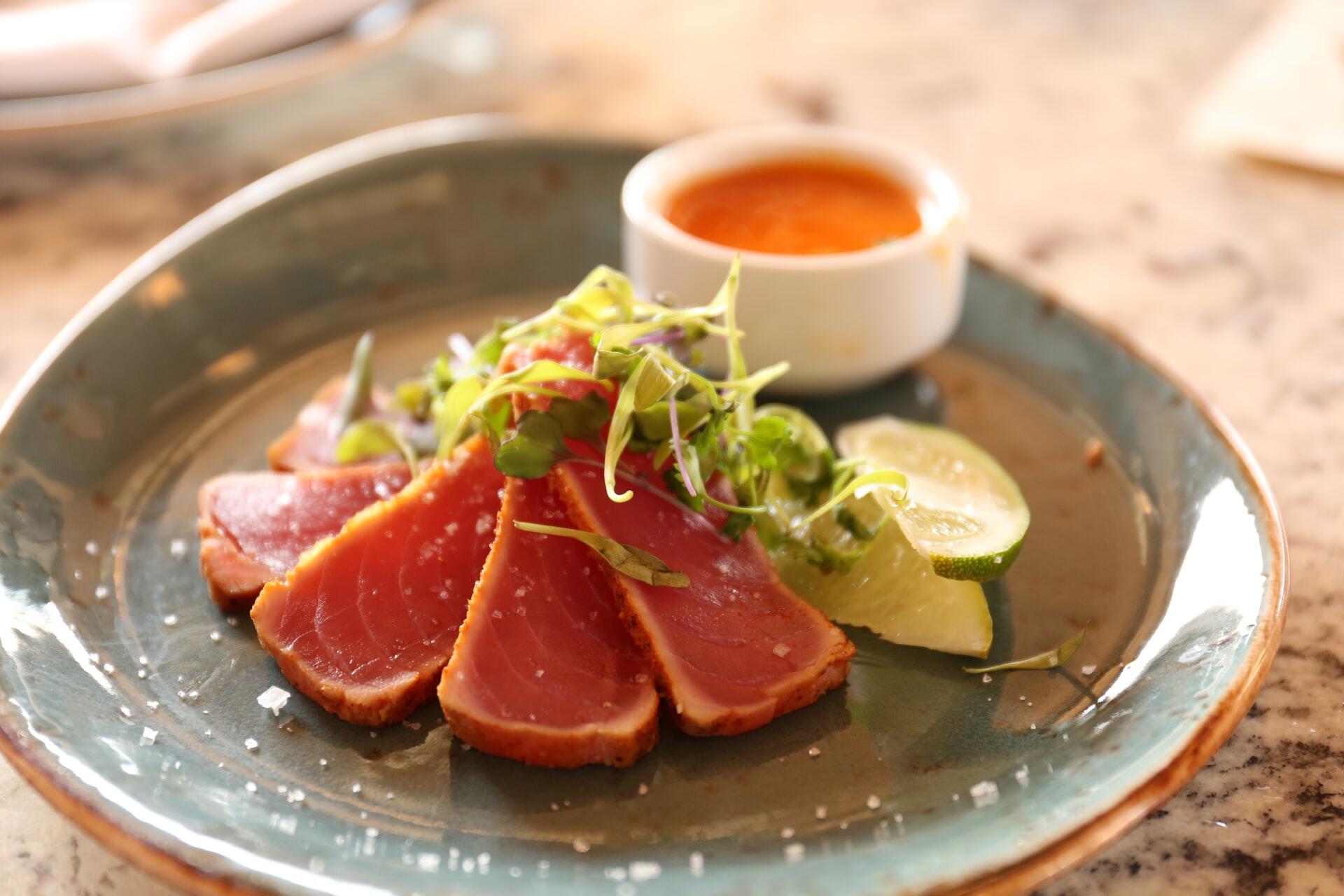
Silky, lacey, fat, heavy, dense, chewy even rustic. – these are descriptions of texture rather than the usual wine talk of cranberries, wet stones and a partridge in a pear tree. While texture is very much the forgotten dimension in a bottle of wine, with flavour king, the bottles I treasure most have always been sublime textural bliss. Sure the wines have been complex – recently a young 2012 Champagne, bristling with sweet, crisp green apple, brioche and almond aromas while a 2018 Martinborough Pinot noir seductive with a black truffle and red cherry perfume. But it is their texture that takes these wines to the next dimension – the Champagne showing a delicious mix of crisp vitality with the creaminess of age just beginning to build while the Pinot Noir was pure French silk and satin. As for tuna sashimi, texture is king.
Texture is not something we are even trained to judge. While the smell and taste of a strawberry is ingrained in youth, texture and the sense of touch is given much less attention. But in wine, texture is key and the great wines of the world are defined by their texture as well as flavour.
Texture relates to the unique balance of all the components in a wine – flavour, body, alcohol, sweetness, acidity and tannins for red wines all combine to give a physical impression. In the best wines, this texture shows perfect balance between all of its components while if a single element is out of whack, often alcohol or acidity, the lasting impression can be a little hollow and unfulfilling.
Flavours change depending on the climate, geography and soils but texture remains true. Take Sauvignon Blanc for example. Whether crafted in France’s Loire Valley, Marlborough or Margaret River, the very best Sauvignon Blancs have mouthwatering freshness finely intertwined with layers of powerful fruit flavour from green apple and wet stones to gooseberry, passionfruit and even mango in warmer regions. Similarly Riesling is another grape that lives by its knife-edge of acidity backed by vibrant, punchy fruit.
Perhaps the most beautifully textured wines, though, come from the remarkable Pinot Noir grape. While its subtle perfume of wet earth, dark cherries, raspberry and mushroom is certainly alluring, it is the silky, satin, finely textured fruit coupled with lacey tannins and acidity that make Pinot Noir a grape to stop traffic. Unfortunately, though, Pinot Noir is a bugger to get right meaning that its finest textures are found only in isolated pockets around the world including Southern Australia, Central and Southern New Zealand, Oregon and Burgundy in France with some collectors willing to pay thousands of dollars to sip on its beauty. These are expensive wines in the scheme of things but their heavenly delights can bewitch the converted.
So next time you grab a decent bottle, forget the strawberries, forget the passionfruit, forget the wet earth, forget the occasion, just think texture. What does the wine feel like, and more importantly, do I like it?
Photo by Taylor Grote on Unsplash